How Periodontal Treatment Ventura Can Protect Your Smile
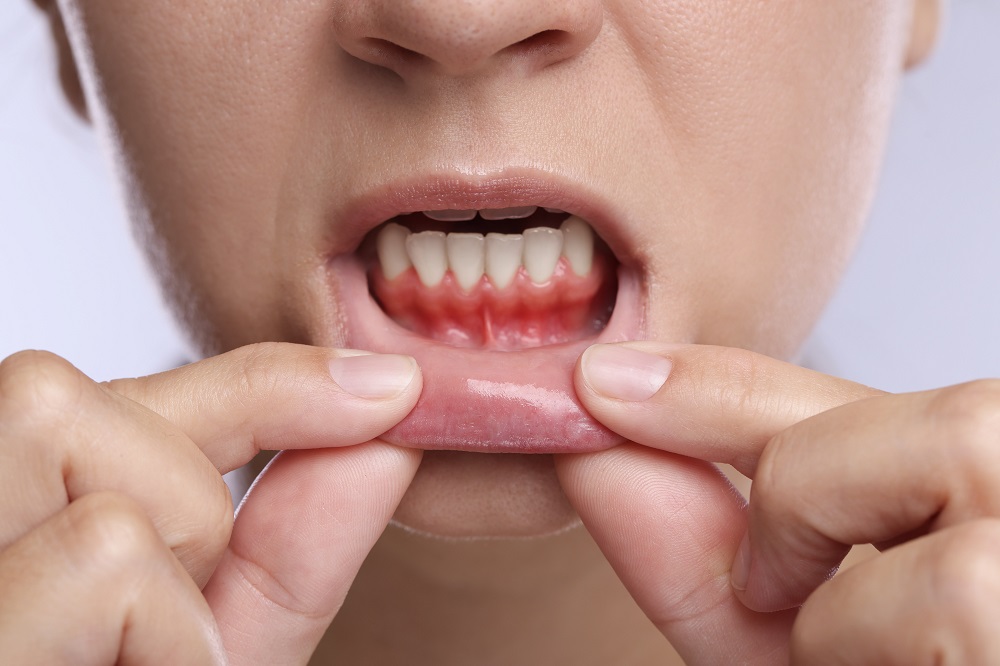
A healthy smile depends on far more than straight teeth and a bright shade of white. The real foundation sits lower, in the gums, connective tissue, and bone that hold each tooth in place. When those structures become inflamed or infected, the problem can stay quiet for a surprisingly long time. People often notice a little bleeding while brushing, some tenderness, or chronic bad breath and assume it is minor. In practice, those small signs can point to periodontal disease, and ignoring them can put otherwise healthy teeth at risk.
That is why timely periodontal care matters so much. For patients searching for Periodontal Treatment Ventura, the goal is not simply to clean the gums and move on. Good treatment protects the support system of the mouth, stabilizes teeth, reduces infection, improves comfort, and in many cases helps people avoid more complex dental work later. It is one of those areas of dentistry where early action almost always pays off.
What periodontal disease actually does
Periodontal disease begins with plaque, a sticky bacterial film that forms on the teeth every day. When it is not thoroughly removed, especially around the gumline, it hardens into tartar. Once tartar forms, home brushing and flossing will not remove it. The gums react to that buildup with inflammation. At first this stage is gingivitis, which may cause redness, swelling, or bleeding. Gingivitis is common and, importantly, reversible with proper care.
The deeper problem starts when inflammation spreads below the gumline. The tissues that attach the gum to the tooth begin to loosen, creating pockets where bacteria can thrive. Bone loss may follow. At that point, the issue has progressed to periodontitis. Unlike simple gingivitis, periodontitis can permanently damage the structures that anchor the teeth.
Patients are often surprised by how little pain advanced gum disease can cause. A cavity that reaches a nerve usually announces itself. Gum disease often does not. I have seen people come in because a front tooth suddenly felt loose, only to learn that years of gradual bone loss had been taking place with almost no discomfort. By the time teeth shift, spaces open up, or chewing changes, the disease may already be well established.
Why Ventura patients should not brush off early symptoms
Local habits and lifestyle factors can shape gum health more than people realize. A person who sips coffee throughout the day, grabs quick meals between errands, breathes through the mouth because of allergies, or deals with high stress may have a harder time keeping gum inflammation under control. Smoking and vaping remain significant risk factors. So do diabetes, certain medications that reduce saliva, hormonal shifts, and a history of irregular dental visits.
Ventura residents who lead busy lives often tell themselves they will schedule treatment once work slows down or once the kids are back in school. Unfortunately, periodontal disease does not pause while life gets crowded. The progression is usually gradual, but it is steady unless the bacterial load is interrupted and the gums are given a chance to heal.
One practical point matters here. Bleeding gums are not normal, even if they have bled “for years.” Many patients have been told, or have told themselves, that they simply brush too hard. Sometimes aggressive brushing does cause irritation, but persistent bleeding is more often a sign of inflammation. Healthy gums should tolerate normal brushing and flossing without bleeding day after day.
The real purpose of periodontal treatment
People sometimes hear the phrase periodontal treatment and imagine a harsh, one-size-fits-all deep cleaning. That misses the point. Good periodontal care is targeted. It is designed to lower the bacterial burden under the gumline, smooth root surfaces so the gums can reattach more effectively, reduce pocket depths where possible, and create conditions the patient can maintain at home.
Just as important, treatment helps the dental team measure the true condition of the mouth. Once swelling decreases, the gums reveal more about which areas are stable and which need closer attention. This matters because a puffy, inflamed gumline can hide deeper issues. After proper treatment, the picture becomes clearer.
The objective is not perfection. The objective is control. In many cases, that means stopping active disease, preserving existing bone, and keeping natural teeth functioning comfortably for years or decades.
What happens during an evaluation
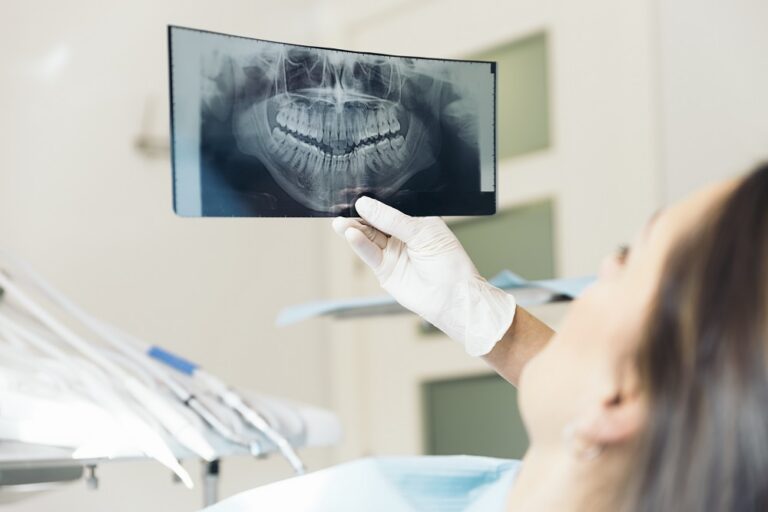
A thorough periodontal evaluation is more detailed than a routine glance at the gums. The provider usually measures the pocket depth around each tooth with a small instrument, checks for bleeding points, evaluates gum recession, assesses tooth mobility, and reviews X-rays for bone loss. They also consider bite forces, the shape of restorations, clenching or grinding habits, and medical history.
Patients are often reassured once they understand that these measurements are not arbitrary. A healthy gum pocket is generally shallow enough to keep clean at home. When pockets deepen, they become harder to maintain with brushing and flossing alone. That is where treatment recommendations come from. It is not about selling an extra procedure. It is about matching the level of care to the level of disease.
This is also the stage where good communication makes a difference. If a provider says, “You need scaling and root planing,” but never explains why, many patients hesitate. If the same provider shows the pocket readings, points out areas of bone loss on X-rays, and explains what those findings mean over the next five years, people can make a more informed decision.
The most common forms of treatment
For many adults, the first line of care is scaling and root planing, often called deep cleaning. This involves removing plaque and tartar above and below the gumline and smoothing the root surfaces to discourage bacteria from reattaching. Depending on the extent of the disease, treatment may be done in sections with local anesthesia to keep the patient comfortable.
When the pockets are deeper or the tissue response is more complicated, additional therapies may be considered. These can include localized antimicrobial treatment, laser-assisted therapy in certain offices, gum grafting for recession, or periodontal surgery to reduce pocket depth and access areas that non-surgical treatment cannot fully address. In advanced cases, regenerative procedures may be used to encourage the body to rebuild some lost support, although outcomes depend heavily on the defect pattern and overall health of the patient.
None of these options exist in a vacuum. The right plan depends on what the disease has already done and what can realistically be maintained after treatment. A technically excellent procedure will still fail if the mouth remains chronically inflamed and home care does not improve.
What treatment feels like for the patient
One reason people delay Periodontal Treatment Ventura is fear of discomfort. That fear is understandable, especially if someone had a rough dental experience years ago. In reality, periodontal treatment today is usually much more manageable than people expect.
A standard deep cleaning is typically performed with local anesthetic so the area stays numb during the procedure. Patients may feel pressure or vibration, but sharp pain should not be the norm. Afterward, the gums can feel tender for a day or two, and cold sensitivity may temporarily increase, especially in areas where tartar had covered the root surfaces. Soft foods, warm saltwater rinses if recommended, and a gentle return to brushing usually help.
The emotional side matters too. Some patients feel embarrassed when they hear they have gum disease, as if it reflects poor character or neglect. It often does not. Periodontal disease has strong ties to genetics, anatomy, systemic health, and life circumstances. I have seen meticulous brushers with significant disease and casual brushers with relatively little. Habits matter, but biology matters too. Shame is not useful here. Action is.
Why delaying care can become expensive
Periodontal disease rarely stays confined to the gums. As support is lost, teeth may loosen, shift, or become more difficult to clean. Food traps develop. Bite forces become uneven. A single unstable molar can change how someone chews, which can then irritate other teeth.
From a financial standpoint, delay often turns a moderate problem into a major one. A patient who needed non-surgical periodontal therapy may, after several years, require extraction, bone grafting, and implant treatment, or a bridge, or a partial denture. Those solutions can work well, but they are more invasive and more expensive than preserving the natural support that was originally there.
There is also the maintenance cost of instability. A tooth with significant bone loss may need repeated monitoring, occasional splinting, or changes in bite adjustment. This is not to say every periodontally compromised tooth should be removed. Many can be maintained for a long time with proper care. The point is simpler: earlier treatment usually preserves more options.
The link between gum health and whole-body health
Dentists should be careful not to overstate the medical side of periodontal disease, but the connection between oral inflammation and systemic health is well established enough to matter. Chronic gum inflammation has recognized associations with conditions such as diabetes and cardiovascular risk factors. The relationship is complex, and it does not mean gum disease directly causes every health problem people read about online. It does mean the mouth is not separate from the rest of the body.
One of the clearest examples is diabetes. Poorly controlled blood sugar can worsen periodontal disease, and severe periodontal inflammation can make blood sugar management more difficult. It becomes a two-way problem. Pregnancy is another period when gum health deserves extra attention, since hormonal changes can intensify the gum response to plaque.
For medically complex patients, periodontal treatment can be part of a broader effort to reduce chronic inflammation and support daily function. Eating comfortably, speaking without soreness, and avoiding recurrent dental infections all matter to overall health.
Home care after treatment is where success is decided
The appointment itself is only part of the story. What happens over the next weeks and months determines whether the gums heal well or slide back into inflammation. Patients sometimes expect a deep cleaning to “fix” everything permanently. The better way to view it is as a reset, one that gives the tissues a healthier environment if daily care supports it.
Consistency matters more than intensity. Scrubbing hard is not helpful. Skipping several nights and trying to make up for it on Sunday is not helpful either. Gentle, thorough plaque removal every day is what changes the long-term picture.
A strong home routine usually includes a soft-bristled toothbrush or electric brush, careful cleaning along the gumline, interdental cleaning suited to the size of the spaces between the teeth, and regular recall visits. Some people do best with floss. Others do better with interdental brushes or water flossers as an addition, particularly if they have bridges, implants, or wider embrasures from bone loss. The best tool is the one the patient will use correctly and consistently.
Maintenance visits are not optional extras
One of the most misunderstood parts of periodontal care is maintenance. After active treatment, many patients are placed on a periodontal maintenance schedule that is more frequent than a standard six-month cleaning. This is not a clerical habit or an upcharge. It reflects the biology of the disease.
Once a person has had periodontitis, they remain at higher risk for recurrence. Bacteria repopulate below the gumline over time, and some patients accumulate plaque and tartar much faster than others. A three- or four-month maintenance interval is common because it helps disrupt that cycle before inflammation regains momentum.
At these visits, the hygienist or dentist is not simply polishing teeth. They are reassessing pocket depths, checking for bleeding, evaluating stability, removing bacterial deposits in vulnerable areas, and watching for signs that the treatment plan needs adjustment. A patient can have spotless front teeth and still harbor disease around the back molars. Maintenance is where those hidden trouble spots are often caught.
Choosing the right provider in Ventura
Not every case requires a periodontist, but some do. Mild to moderate disease can often be managed effectively in a general dental practice with a strong periodontal protocol. More advanced bone loss, complex recession, surgical needs, implant planning, or persistent deep pockets may warrant referral to a specialist.
When evaluating a provider for Periodontal Treatment Ventura, patients should listen for clarity rather than sales language. A good office should explain findings in plain terms, show what they are seeing, discuss alternatives honestly, and outline what the patient will need to do at home. Comfort options matter too, especially for anxious patients. So does follow-up. Gum treatment should not feel like a procedure dropped into your calendar without context.
A few practical questions can reveal a lot about the quality of care:
- How advanced is the gum disease, and how do you measure that?
- What treatment do you recommend for my case, and why?
- What can I realistically expect afterward in terms of healing and maintenance?
- Will this be managed here, or should I see a periodontist?
- What signs would tell us the treatment is working or needs to change?
Those questions tend to open up a much better conversation than, “How much does a deep cleaning cost?” Price matters, of course, but value depends on accuracy, thoroughness, and long-term stability.
When recession, sensitivity, and aesthetics enter the picture
Not all periodontal issues involve infection alone. Gum recession can expose root surfaces, increase sensitivity, and make teeth appear longer or uneven. Some patients first seek care because they dislike the way their smile looks, then learn the aesthetic change reflects a deeper periodontal issue. Others have stable recession without active disease but still need treatment because the exposed roots are vulnerable or difficult to keep comfortable.
This is where judgment matters. Not every area of recession requires grafting. A small stable recession with no sensitivity may simply need monitoring and gentler brushing technique. A rapidly worsening area on a prominent canine, or a thin gumline around a lower front tooth, may benefit from surgical reinforcement before more support is lost. Functional needs and cosmetic goals often overlap, but they are not identical.
The best treatment plans respect both. A healthy result should also be one the patient can live with confidently.
Protecting your smile means protecting its support
People often judge dental health by what they can see in the mirror. Periodontal health asks for a deeper perspective. A smile remains strong when the support around each tooth is healthy, stable, and maintainable. That support can be damaged quietly, but it can also be protected with timely care.
For anyone noticing bleeding gums, persistent bad breath, tenderness, gum recession, or teeth that https://danteusmz638.wpsuo.com/how-periodontal-treatment-ventura-helps-stop-gum-disease-progression feel different when biting, it is worth getting a careful periodontal evaluation rather than waiting for unmistakable pain. Effective Periodontal Treatment Ventura can stop active disease, improve comfort, preserve bone, and help keep natural teeth in place far longer than many patients expect.
The best outcomes usually come from a simple combination: early diagnosis, appropriate treatment, and disciplined maintenance afterward. When those pieces line up, periodontal care does far more than treat a gum problem. It safeguards the smile you rely on every day.
Avra Dental
Address: 1708 S Victoria Ave B, Ventura, CA 93003
Phone number: (805) 941-1001
FAQ About Periodontal Treatment Ventura
Can a dentist get rid of periodontal disease?
A dentist or gum specialist (periodontist) cannot fully cure or reverse advanced periodontal disease (periodontitis), but they can successfully stop its progression and manage the infection.
Is periodontitis very serious?
Yes, periodontitis is a very serious, advanced form of gum disease that destroys the bone and tissues supporting your teeth.
How is stage 2 periodontal disease treated?
Stage 2 periodontal disease (early to moderate periodontitis) is primarily treated with non-surgical deep cleaning procedures like scaling and root planing to remove bacteria and tartar below the gumline.